

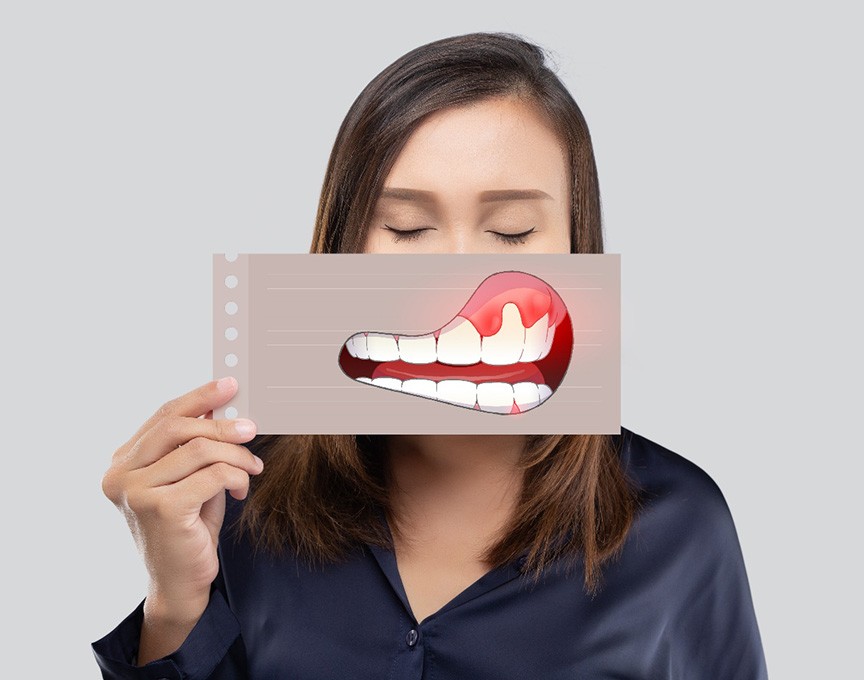
Have you noticed that your connective tissues feel tender or look puffy, dark, or bleed when you brush and floss your teeth? If so, you might have developed gum disease. It’s essential to address it sooner rather than later, as if left untreated, it can worsen and contribute to more serious concerns, such as tooth loss.
Fortunately, Dr. Tran offers periodontal therapy to safeguard your smile. Continue reading to learn more about the specific services we offer to treat gum disease and protect your dental health!
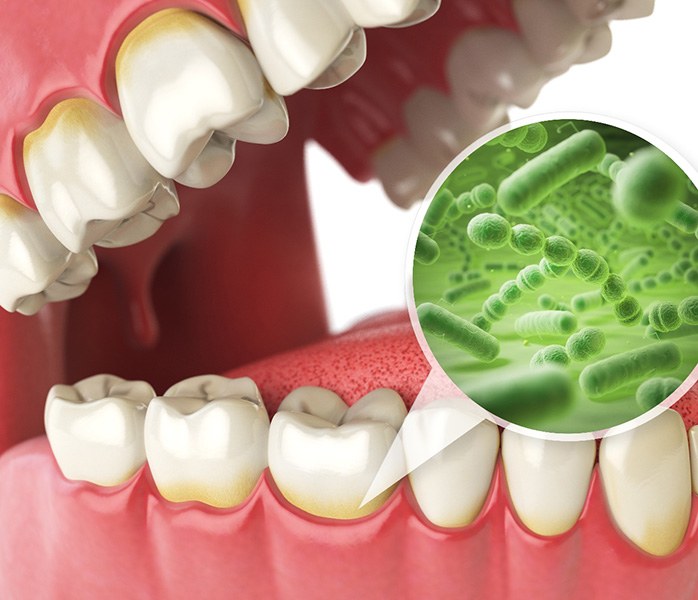
Your mouth is home to a diverse range of bacteria, and while some are beneficial, others contribute to oral issues, such as gum disease. The earliest stage, gingivitis, occurs when unhealthy germs penetrate your connective tissues and trigger an infection. If caught quickly enough, it can sometimes be halted in its tracks.
However, if it goes undetected, it can progress into more advanced stages that can often be managed, but not necessarily cured or reversed. If your gums have started receding due to an infection, please contact our office to schedule an appointment as soon as possible.
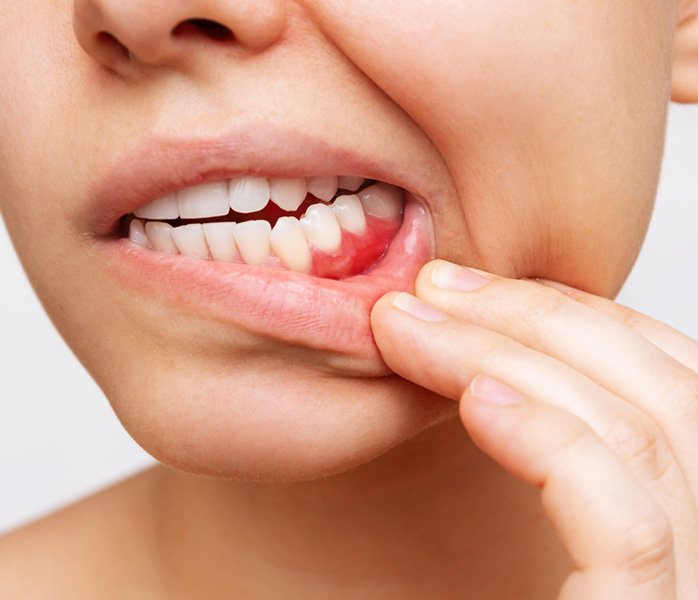
Catching gum disease early can keep it from advancing, but it can sometimes be difficult to identify. You might have developed gingivitis if you notice the following symptoms:
As the infection progresses into periodontitis, you might also notice:
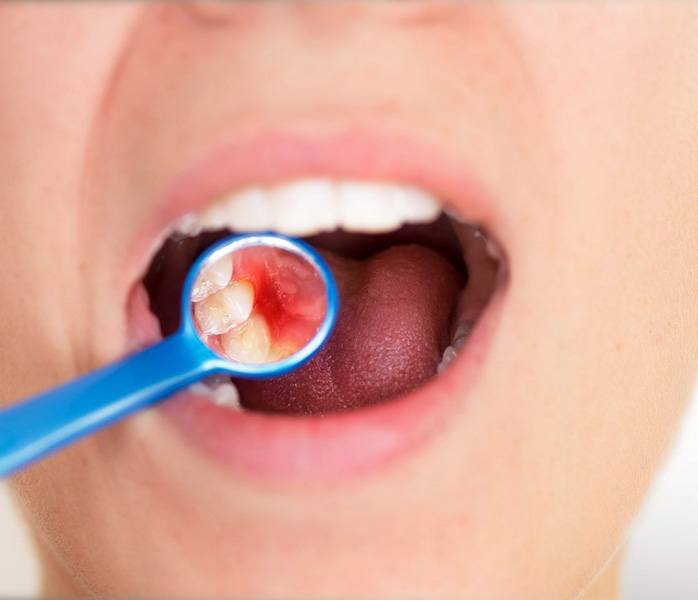
Dr. Tran understands that no two smiles are exactly alike and offers multiple services to repair your smile. However, you must schedule a consultation before proceeding so she can examine your mouth to identify the extent of the damage and devise a customized treatment plan. She might recommend one of the following options based on her findings.
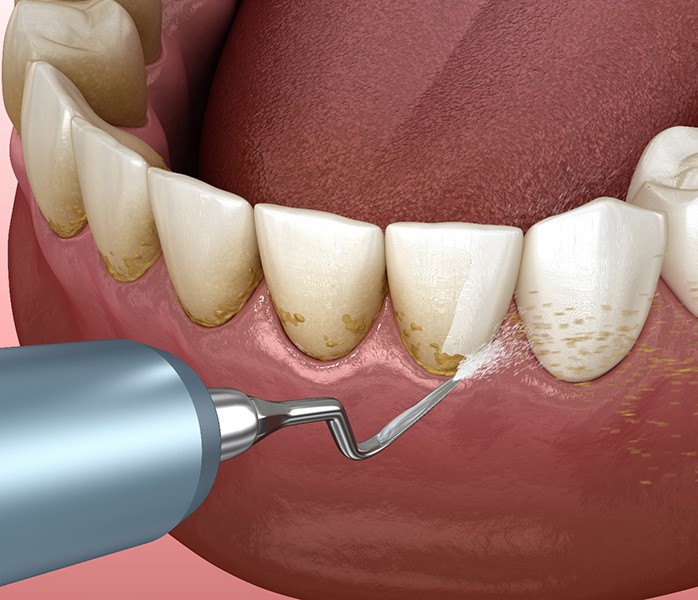
This two-part procedure provides a deep cleaning that removes harmful bacteria to halt the progress of gum disease while encouraging the tissues to reconnect to your enamel. We’ve outlined additional details about this standard treatment below.
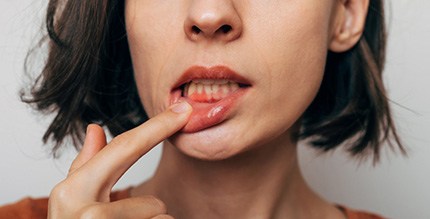
Dr. Tran will examine your mouth and likely also take X-rays to verify the extent of the infection's progression. She’ll determine the condition of your gums and the depth of the pockets to help decide whether this is the best solution to meet your unique needs.
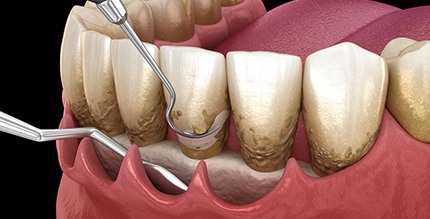
The first appointment will consist of thoroughly cleaning your connective tissues to remove even the most stubborn plaque, tartar, and bacteria. We’ll do this using specially designed instruments to reach deeply into the pocket of your gums to remove hidden germs and residue buildup.
You’ll likely require a second visit to complete the process. Once you have recovered sufficiently from the thorough cleaning, our team will schedule another procedure to smooth the roots of your teeth below your gumline to encourage healing by helping your tissues reattach.
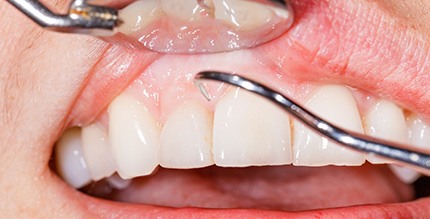
You may feel sensitive, sore, or swollen following your appointment, but thankfully, these effects are usually temporary and resolve themselves in a few days or weeks, depending on your circumstances.
You can avoid potential complications by:

Our team can also treat the spreading infection with antibiotics that can help keep your gums healthy, often in conjunction with scaling and root planing. For this service, we place Arestin, a topical medication, directly into the pockets of your gums. It slowly dissolves over time, releasing medication that kills bacteria to fight infection, and gradually encourages additional healing.
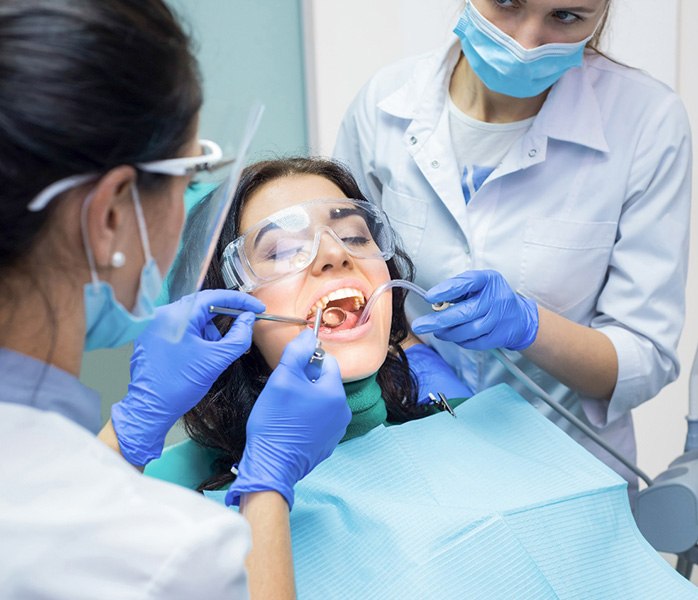
This non-invasive service is a suture-free, scalpel-free treatment that utilizes specialized dental instruments to gently loosen your gum tissue from your enamel and guide it over exposed sections of your enamel. Our team achieves this by creating tiny holes in your gums that allow us to gently massage the tissues, then stretching them back over your roots to protect them.
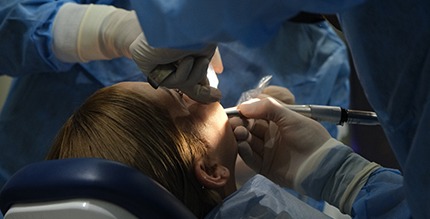
This procedure involves making a tiny hole in the gum tissue, approximately the size of a pinhole. This hole, we can gently reposition the gum tissue, stretching it to cover more of the tooth’s surface. Collagen strips help to keep gums in their new position. This technique is much less invasive than traditional gum grafting, which involves adding tissue to an area and suturing it in place.

There are various advantages of Chao Pinhole Technique. Here are some of the most prominent ones.
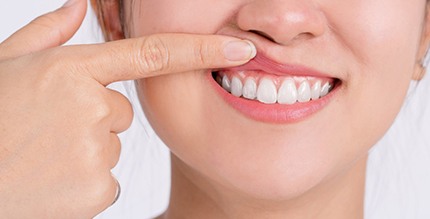
During your appointment with us, we will determine whether or not Chao Pinhole Technique is right for you. It is ideal for those who are concerned about the aesthetic consequences of gum recession or are experiencing painful tooth sensitivity due to recession. The following characteristics make an ideal candidate for the procedure.
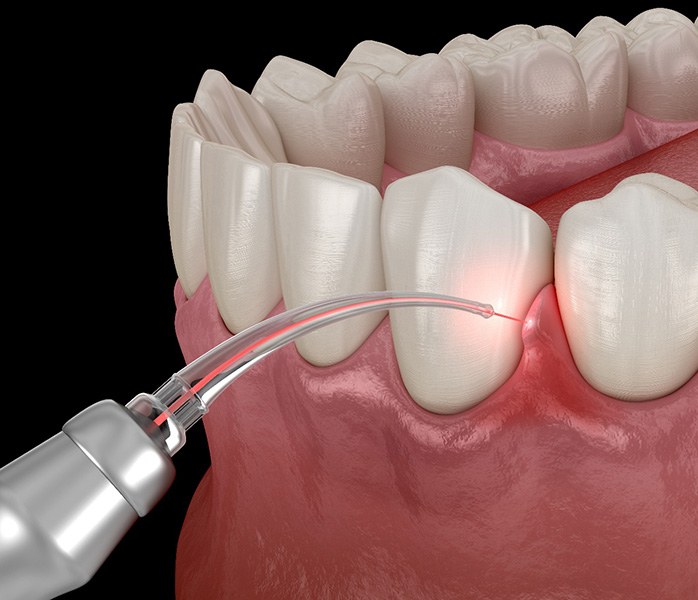
We can also provide a more complex gum or bone grafting procedure to reverse gum recession resulting from periodontal problems. Dr. Tran can use your own or donated tissues to reshape your gumline and encourage the tissues to regrow.
If you’ve already suffered tooth loss and are interested in dental implants, a bone graft procedure may be required to increase your jawbone’s density so it’s strong enough to support your replacement teeth.